
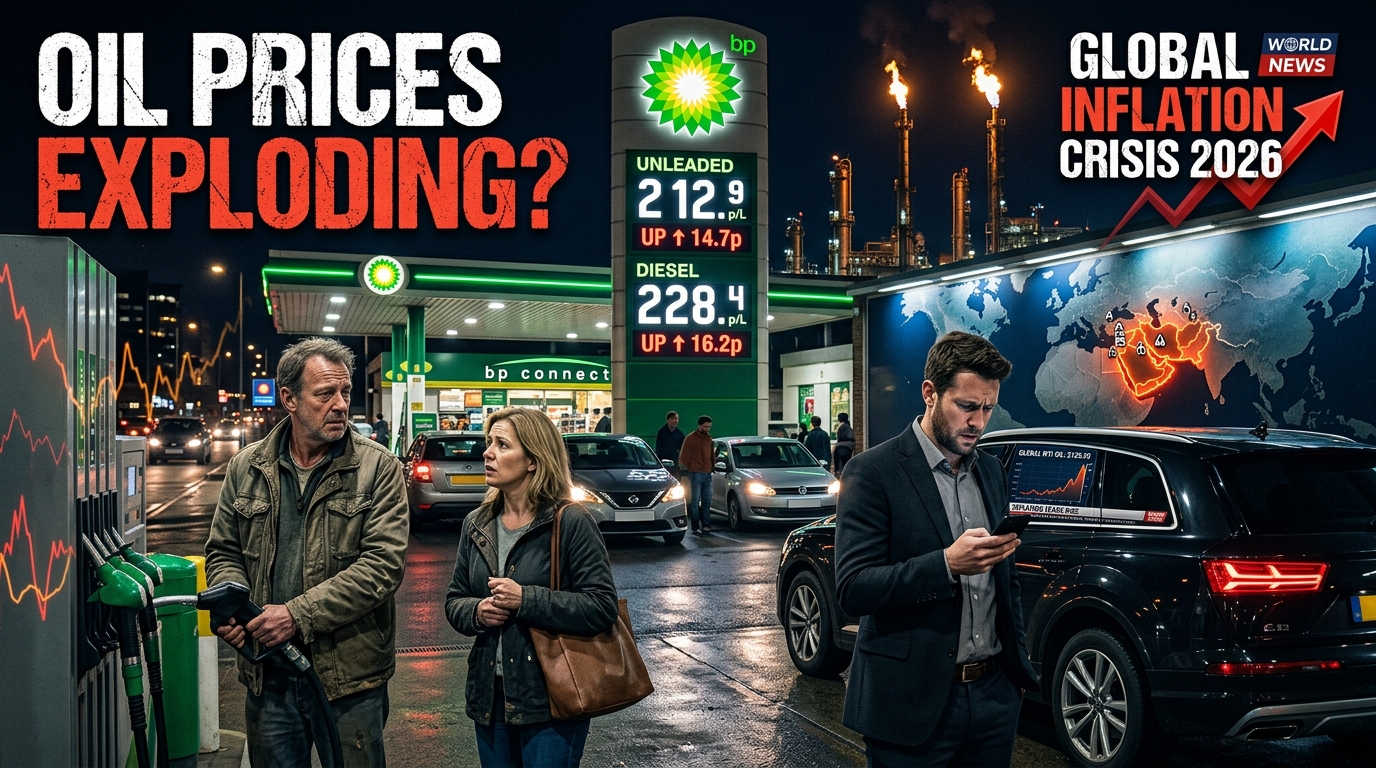
Oil Prices and Inflation Fears: How Global Energy Volatility Impacts the Economy in 2026
Global markets are once again facing uncertainty as oil prices remain highly volatile due to ongoing instability in the Middle East. Economists and financial analysts warn that rising crude oil prices could create a fresh wave of inflation worldwide. From higher fuel costs to increased transportation expenses and possible interest rate hikes, the impact of oil market instability can affect businesses, consumers, and governments alike.
Also read:
CMH Rawalpindi Vacancies 2026-Latest Combined Military Hospital Jobs Apply Online
Oil is one of the world’s most important commodities because it powers transportation, manufacturing, electricity generation, and industrial production. When oil prices increase sharply, the effects spread across almost every sector of the economy. In 2026, concerns over geopolitical tensions and supply disruptions are pushing investors and policymakers to closely monitor global energy markets.
Why Oil Prices Are Rising
Several factors are contributing to the recent rise in oil prices. The biggest concern is political instability in the Middle East, a region responsible for a significant share of global oil production. Any conflict, sanctions, or supply chain disruptions in oil-producing countries can reduce global supply and create panic in international markets.
At the same time, growing energy demand from developing economies is increasing pressure on global supply chains. Countries with expanding populations and industrial sectors require more fuel for transportation, manufacturing, and infrastructure projects. This growing demand often pushes oil prices higher when supply cannot keep pace.
Natural disasters, production cuts by oil-exporting nations, and shipping disruptions in major trade routes also contribute to price fluctuations. Investors react quickly to these developments, making oil markets even more volatile.
Impact on Inflation Worldwide
One of the biggest concerns surrounding rising oil prices is inflation. Inflation refers to the increase in the overall cost of goods and services over time. Since oil is used in transportation, logistics, and manufacturing, higher fuel prices increase operational costs for businesses.
When transport and production expenses rise, companies often pass those costs on to consumers. This leads to higher prices for groceries, electronics, clothing, airline tickets, and everyday products. As a result, households may struggle with higher living expenses and reduced purchasing power.
Economists warn that persistent increases in oil prices could make it more difficult for central banks to control inflation. Many countries are still recovering from previous inflationary pressures, and another spike in energy costs could slow economic growth.
Fuel Prices and Transportation Costs
Consumers usually feel the impact of oil price increases most directly at gas stations. Rising crude oil prices often lead to higher petrol and diesel prices, increasing the cost of commuting and travel.
Transportation companies also face increased expenses. Airlines, shipping firms, trucking companies, and delivery services rely heavily on fuel. When transportation costs rise, businesses may charge higher prices for goods and services to maintain profitability.
Public transportation systems can also become more expensive if governments reduce fuel subsidies or operating costs increase. This creates additional financial pressure on households already dealing with inflation.
Interest Rates and Economic Pressure
Central banks use interest rates as a tool to manage inflation. If inflation continues to rise because of high oil prices, central banks may decide to increase interest rates.
Higher interest rates can make borrowing more expensive for consumers and businesses. Mortgage payments, car loans, and business financing costs may increase, slowing economic activity. While raising rates can help control inflation, it can also reduce investment and consumer spending.
Financial markets often react negatively to uncertainty in oil markets. Stock prices may fluctuate as investors worry about economic slowdowns, rising business costs, and lower corporate profits.
How Governments and Businesses Are Responding
Governments worldwide are trying to reduce dependence on imported oil by investing in renewable energy sources such as solar, wind, and electric vehicles. Energy diversification is becoming a long-term strategy for reducing vulnerability to oil market shocks.
Businesses are also focusing on improving energy efficiency and reducing transportation costs. Some companies are investing in cleaner technologies and alternative supply chains to manage risks linked to oil price volatility.
Consumers, meanwhile, are looking for ways to reduce fuel consumption by using public transport, hybrid vehicles, and energy-saving practices.
Future Outlook for Global Oil Markets
Experts believe oil prices may remain unpredictable in the coming months due to ongoing geopolitical tensions and uncertain economic conditions. While some analysts expect prices to stabilize if supply improves, others warn that additional conflicts or production cuts could trigger another surge.
The long-term solution may depend on how quickly countries transition toward renewable energy and reduce reliance on fossil fuels. Until then, oil prices and inflation fears are likely to remain key concerns for global economies.
FAQs
1. Why are oil prices rising in 2026?
Oil prices are increasing mainly because of Middle East instability, supply disruptions, rising global demand, and production cuts.
2. How do oil prices affect inflation?
Higher oil prices increase transportation and production costs, which leads to higher prices for goods and services.
3. Why do fuel prices increase when crude oil prices rise?
Crude oil is the main raw material used to produce petrol and diesel, so higher crude prices usually increase fuel costs.
4. Can rising oil prices affect interest rates?
Yes, central banks may raise interest rates to control inflation caused by higher energy costs.
5. Which industries are most affected by oil price volatility?
Transportation, aviation, manufacturing, logistics, and retail sectors are heavily affected.
6. How does oil market instability impact consumers?
Consumers face higher fuel bills, transportation expenses, food prices, and overall living costs.
7. Are renewable energy investments increasing because of oil price volatility?
Yes, many governments and businesses are investing in renewable energy to reduce dependence on fossil fuels.
8. What role does the Middle East play in global oil markets?
The Middle East is one of the world’s largest oil-producing regions, making it critical to global energy supply.
9. Can oil prices impact stock markets?
Yes, uncertainty in oil markets can cause fluctuations in stock prices and investor confidence.
10. Will oil prices continue to rise?
Experts predict continued volatility, but future prices will depend on geopolitical events, supply levels, and global demand.
Conclusion
Oil prices and inflation fears continue to dominate global economic discussions in 2026. Rising energy costs have a direct impact on fuel prices, transportation expenses, inflation rates, and monetary policy decisions worldwide. Governments, businesses, and consumers are all searching for ways to reduce the financial pressure caused by oil market volatility.
While short-term fluctuations may continue, the long-term focus on renewable energy and sustainable economic strategies could help reduce dependence on unstable oil markets in the future.
Disclaimer
This article is for informational and educational purposes only. Economic conditions, oil prices, and financial markets can change rapidly based on geopolitical developments and global demand. Readers should consult financial experts or official economic sources before making investment or financial decisions.
Official Website Links
- OPEC Official Website: https://www.opec.org
- International Energy Agency (IEA): https://www.iea.org
- U.S. Energy Information Administration (EIA): https://www.eia.gov